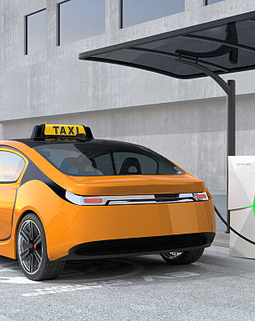

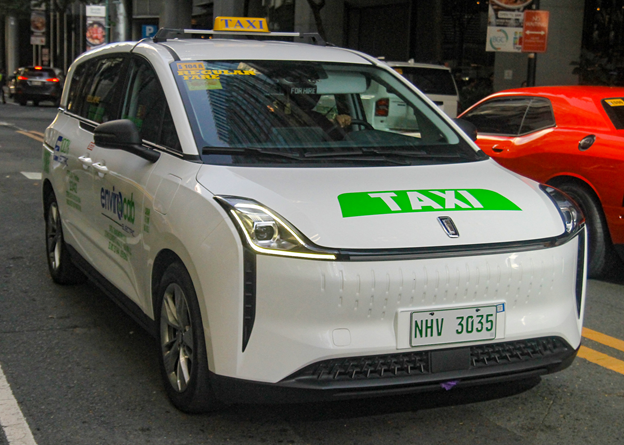
The Maldives is accelerating its shift toward clean mobility with a groundbreaking initiative that expands Electric taxis Maldives beyond public transport into wider public ownership. In a strategic move to promote electric vehicle (EV) adoption and reduce dependency on fossil fuels, the government has confirmed that EVs deployed in the new state-run taxi service in Malé will also be available for purchase by individuals and businesses nationwide.
The initiative reflects growing national commitment to sustainable transport solutions amid rising urban congestion, high taxi fares, and increasing demand for reliable transport services. Under this model, the government’s 24-hour taxi service — operated by the Maldives Transport and Contracting Company (MTCC) — will utilize a fleet of fully electric vehicles integrated with a digital booking platform akin to global ride-hailing apps.
Rolling Out the EV Taxi Fleet
Government-Run EV Taxi Service
The Electric taxis Maldives service is scheduled for phased rollout beginning in 2025, with operations initially covering Malé, Hulhumalé, and Velana International Airport. Future expansion will extend the service to additional regions, including Vilingili, Thilafushi, and eventually major atolls like Addu City and Fuvahmulah by 2028–2029.
About 100 electric taxis will be deployed in the first phase, all managed through a centrally coordinated mobile platform. This digital system ensures efficient dispatch, standardized pricing, and improved accountability — addressing longstanding issues in the existing taxi market.
MTCC’s role goes beyond operation. The company has negotiated rights to act as a distributor for the taxi fleet vehicles, meaning the exact EV models used in public transport can be offered for sale directly to consumers. This provision forms the core of the Electric taxis Maldives public ownership strategy.
Public Purchase of Taxi EVs
The decision to make state-fleet EVs available for purchase reflects a broader policy push to lower barriers to EV ownership. As these vehicles enter service, they will provide Maldivians with more affordable access to modern, zero-emission transport options — an important step in expanding clean mobility beyond public taxi users.
This initiative also supports ongoing efforts to expand EV adoption throughout the country, where overall uptake remains limited despite incentives like duty exemptions. Recent transport sector assessments show electric vehicle penetration is still low, highlighting the need for innovative policies that promote ownership and infrastructure growth.
Industry platforms such as AsiaCarNews report that global trends in EV integration into ride-hailing and public transport systems are gaining traction, reflecting the potential impact of similar strategies in the Maldives.
Benefits for the Environment and the Economy
The Electric taxis Maldives initiative aligns with national climate goals by reducing emissions in densely populated urban centers and cutting fossil fuel consumption. Fully electric taxis will contribute to improved air quality and quieter urban environments, making everyday travel cleaner and more efficient.
Affordable access to EVs could also stimulate related green sectors, including charging infrastructure development, maintenance services, and EV-related jobs — fostering a local clean economy.
What This Means for You
With the government enabling purchase options directly from the state taxi fleet, residents have a unique opportunity to own high-quality electric vehicles that were once only part of public service. This move could reshape private mobility in the Maldives, making electric driving more mainstream.