
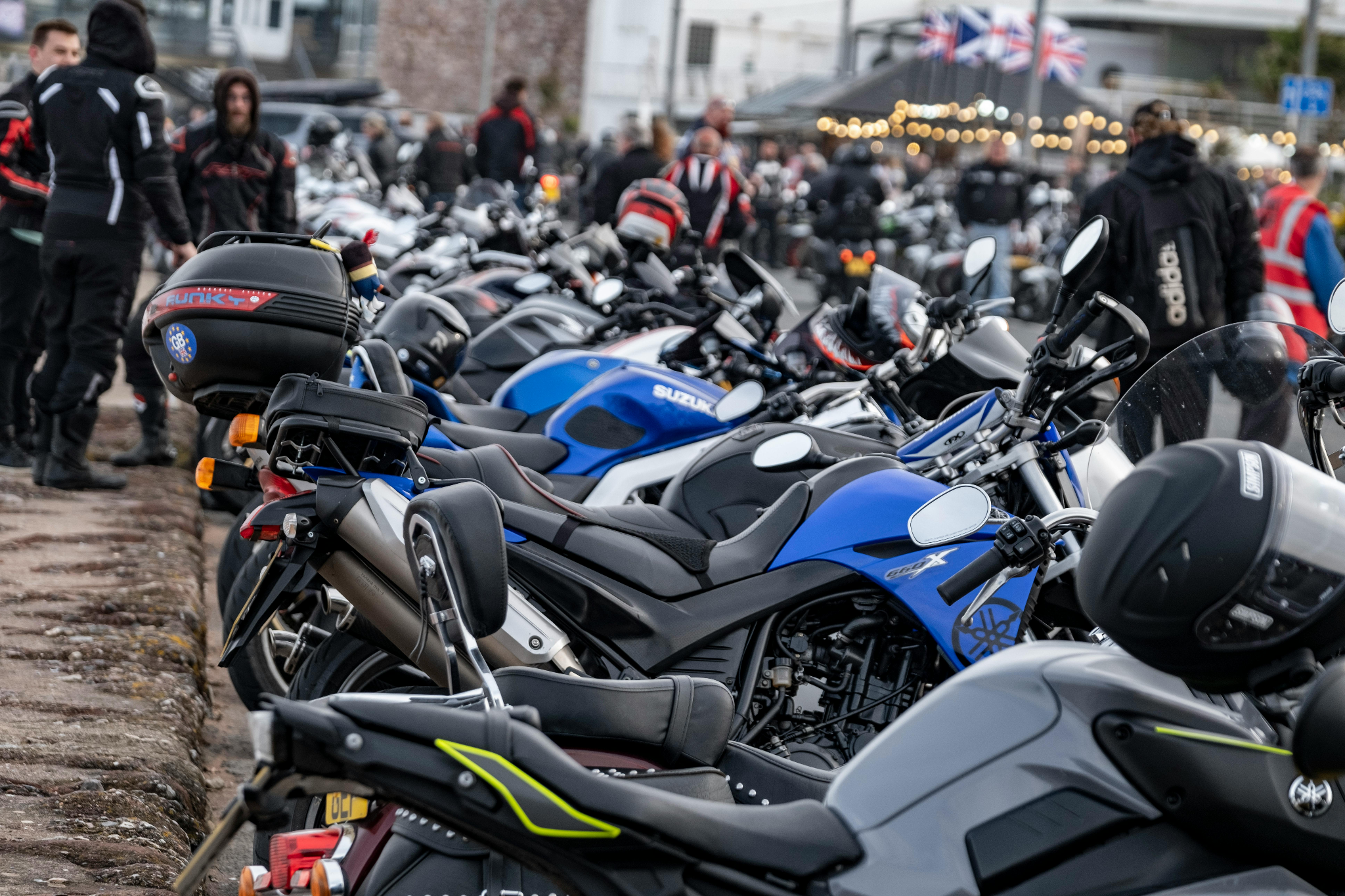
The Maldives has announced plans to implement a Gas Motorbikes Ban by 2030. This policy seeks to reduce emissions, improve air quality, and accelerate the shift toward renewable-powered mobility across the island nation. Scooter and motorcycle use is widespread for inter-island commutes and urban travel, making this transition especially impactful.
The Gas Motorbikes Ban reflects Maldives’ broader goals for clean transport. With rising temperatures and climate vulnerability, reducing reliance on fossil fuels has become urgent. The ban aligns with efforts to enhance energy independence and strengthen resilience.
Supportive Infrastructure and Incentives
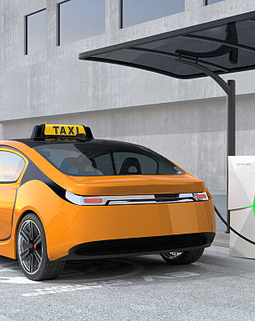
To accompany the Gas Motorbikes Ban, infrastructure expansion is key. Electric charging stations are being installed in Male’ and Hulhumalé, including stations with solar integration and battery swap setups. These facilities make the shift to electric two-wheelers more practical and reliable.
Government incentives also encourage compliance. Reduced import duties for EVs and streamlined registration for electric scooters are helping offset initial costs. These supports are essential to help residents and businesses adapt quickly to the Gas Motorbikes Ban.
Training and Public Engagement
Training programs for mechanics and drivers are being introduced to support the transition. Familiarizing stakeholders with EV maintenance and operation is vital. Public awareness initiatives highlight the advantages of electric mobility—lower running costs, reduced noise, and no tailpipe emissions—helping communities embrace the Gas Motorbikes Ban more readily.
Challenges to Overcome
While promising, the Gas Motorbikes Ban also poses challenges. The national grid must be strengthened to handle increased electricity demand, particularly in high-use urban areas. Battery disposal and recycling strategies are still under development. Adapting to island geography and limited charging space requires creative deployment of portable and community-based chargers.
If these obstacles are addressed, the Gas Motorbikes Ban could transform daily mobility and pave the way for future clean transport initiatives.
Setting the Stage for Sustainable Navigation
As the 2030 timeline approaches, the Gas Motorbikes Ban signals a new era for Maldivian transport. Cleaner air, quieter streets, and lower emissions are within reach. Supporting infrastructure, financial incentives, and training are critical pillars underpinning the transition.
Platforms like Asia Car Group’s portal offer helpful links for exploring compatible electric vehicle options tailored for island life—useful for individuals and businesses preparing for the Gas Motorbikes Ban.
Do you embrace the idea of a Gas Motorbikes Ban in Maldives? Drop your thoughts below: concerns, expectations, or stories of switching to electric bikes—your voice matters in shaping a cleaner, greener island future!