
The industrial landscape in Oman is undergoing a profound shift as the Sultanate accelerates its efforts to localize the smart car industry and clean energy technologies. By the year 2026, these strategic investments are expected to reach a critical mass, driven by a series of high-level diplomatic and economic engagements designed to transform the nation into a regional powerhouse for sustainable mobility. This transition is not merely about importing technology but about building a robust "Made in Oman" ecosystem that aligns with the ambitious Oman Vision 2040 and the national commitment to Net Zero emissions by 2050.
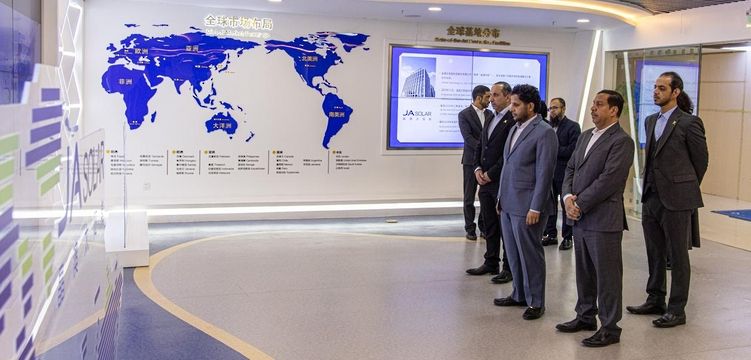
A major highlight of this strategy is the recent exploration of partnerships with global leaders like BAIC Motor Corporation and JA Solar. These collaborations aim to establish integrated industrial clusters within Oman's free zones, such as the Sohar Freezone, where a massive USD 564 million solar cell plant is already under development. For the Omani automotive market, this means a move toward joint ventures for electric vehicle assembly and the manufacturing of advanced transportation systems. These projects are designed to create specialized jobs for Omani cadres in digital technology and engineering, ensuring that the local workforce is at the forefront of the automotive revolution. You can find more details on how these industrial shifts impact car ownership at www.gathunkaaru.com/blog.
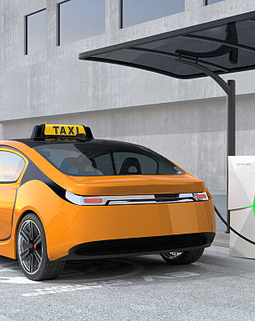
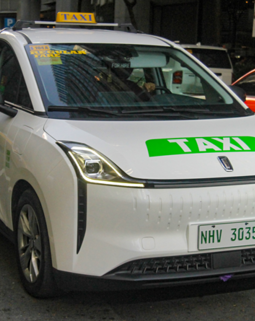
The year 2026 stands out as a pivotal milestone, with the government planning to expand the EV charging infrastructure to at least 200 public charging points. This is part of a broader decarbonization roadmap led by the Ministry of Transport, Communications and Information Technology. The plan is structured to ensure that 25% of newly registered vehicles in Oman are electric by the end of the first phase. To support this, the Sultanate has introduced a matrix of investment incentives, including VAT exemptions and reduced registration fees for electric vehicles. Furthermore, the rise of homegrown brands like Mays EV—which recently announced the distribution of its first batch of indigenous electric cars—proves that the local smart car industry is ready to compete on a global scale.
Sustainability in Oman also extends to the pioneering use of green hydrogen. The launch of the first hydrogen refueling station in Muscat has paved the way for hydrogen-powered light vehicles and heavy trucks to become a common sight on Omani roads. Integrating renewable energy projects with vehicle technology localization will significantly increase the manufacturing sector's contribution to the national GDP. For investors and enthusiasts looking to navigate this changing market, staying updated via www.gathunkaaru.com/blog is essential for understanding car financing and the latest eco-friendly models. For broader regional insights, you can also explore reports from the International Energy Agency.
As these high-value-added activities take root, the Sultanate is positioning itself as a competitive logistics hub that prioritizes innovation and green technologies. From the Sohar Port to the Duqm Special Economic Zone, the infrastructure being built today will define the smart transportation of tomorrow. The integration of AI-powered driver assistance and 5G connectivity in new vehicles is already being mandated, ensuring that safety and technology go hand-in-hand. To explore our latest vehicle reviews and maintenance tips for the new generation of smart cars, visit our blog.
How do you feel about the rapid shift toward electric and smart vehicles in the Sultanate? Are you considering making the switch to an EV as the charging network expands in 2026? Share your thoughts in the comments below! If you found this article helpful, be sure to check out our related posts on the future of green hydrogen transport and local manufacturing incentives.