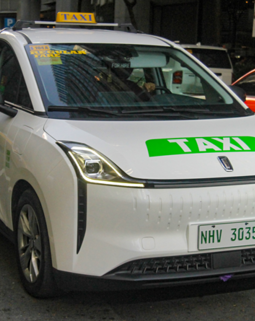

The Maldives is preparing to launch a new government-operated transport system as part of its effort to modernize urban mobility in the capital city. A large fleet of electric vehicles has begun arriving for the upcoming Maldives Taxi Line EV Service, which is scheduled to begin operations on April 2, 2026. The initiative aims to address long-standing transportation challenges in Malé by introducing a structured, app-based taxi network. The first phase of the project will include 150 electric vehicles, with 60 already delivered and the remaining units expected to arrive shortly.
New Electric Taxi System for Urban Mobility
The introduction of the Maldives Taxi Line EV Service marks a major shift in how public transportation will operate in Malé. The service is being developed to function similarly to international ride-hailing platforms, offering 24-hour availability through a dedicated mobile application. This system is expected to improve reliability, reduce waiting times, and provide more organized transport options for residents and visitors in the capital.
Changan Electric Vehicles Selected for Fleet
The taxi fleet will consist of electric vehicles from Changan Automobile, including models such as the Lumin, S05, and S07. These EVs are designed for urban mobility, making them suitable for the narrow roads and high-density environment of Malé. The adoption of electric vehicles also supports the environmental goals of the Maldives Taxi Line EV Service, helping reduce emissions in one of the country’s most congested urban areas.
Driver Registration and Training
Authorities have confirmed that driver training has already been completed, and both full-time and part-time drivers are being prepared for deployment. Part-time drivers will be allowed to register through an official portal, while full-time drivers will follow structured operational guidelines, including uniform requirements.
Expansion Plan and Service Structure
The Maldives Taxi Line EV Service is being rolled out in phases, starting with 150 vehicles in the first stage. The government previously indicated that up to 100 vehicles would initially be introduced, but the plan has since expanded.
App-Based Ride System
A dedicated hotline (1655) and mobile application will be used to manage ride requests. The system is designed to ensure better coordination between drivers and passengers while improving overall efficiency. This digital approach positions the Maldives Taxi Line EV Service as a modern transport solution aligned with global smart mobility trends.
Addressing Transport Challenges in Malé
One of the main reasons behind the project is the ongoing difficulty in managing taxi availability in the capital. Authorities have noted that although many registered taxis exist, service inconsistency has created challenges for passengers. The new system aims to resolve these issues by introducing centralized control and structured deployment of vehicles.
Impact on Urban Transport and Environment
The introduction of electric taxis is expected to bring both environmental and operational benefits to Malé.
Cleaner and More Efficient Transport
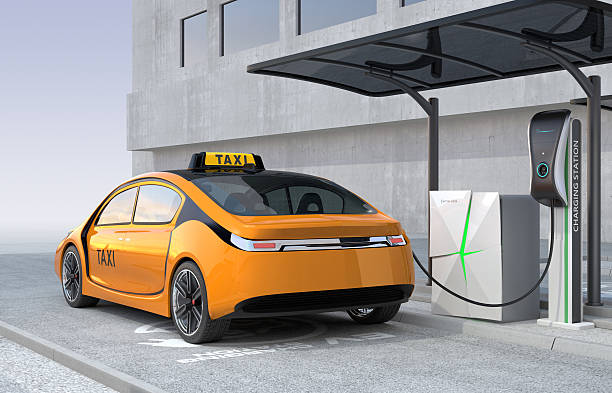
By using electric vehicles, the Maldives Taxi Line EV Service is expected to reduce fuel consumption and lower emissions in the city. This aligns with broader sustainability goals in the Maldives, particularly in urban development and climate resilience.
Improved Passenger Experience
With 24-hour availability and app-based booking, passengers are expected to benefit from improved reliability and faster response times compared to traditional taxi systems. Industry observers tracking EV-based transport systems through AsiaCarGroup note that small island nations are increasingly adopting electric fleets as a practical solution for compact urban environments.
Conclusion
The launch of the Maldives Taxi Line EV Service represents a major step toward modernizing transportation in Malé. With a fleet of 150 electric vehicles, app-based booking, and structured driver operations, the project aims to improve urban mobility while supporting environmental goals. As the system begins operations in April 2026, it could serve as a model for other island cities looking to adopt cleaner and more efficient transport solutions.
Join the Conversation
Do you think electric taxi systems like this could replace traditional taxis in small cities? Share your thoughts in the comments and tell us whether the Maldives Taxi Line EV Service is a model for future urban transport